Building Permanent Resilience: How Leaders Recover, Adapt, and Grow Through Adversity
Resiliency is more than just bouncing back—it’s about building the permanent capacity to recover, adapt, and grow from adversity. In leadership, this distinction matters. Temporary recovery might get a team through one crisis, but lasting capacity keeps performance steady when markets shift, teams reorganize, or uncertainty becomes the new normal.
By cultivating a strong blend of mental agility and inner spirit, leaders can maintain a steady trajectory even while navigating unpredictable market shifts and internal organizational changes. Mental agility allows you to reframe problems quickly, update assumptions, and make decisions with incomplete information. Inner spirit supplies the deeper reserves—clarity of purpose, emotional steadiness, and the quiet conviction that the work still matters—so pressure does not erode judgment.

Prepare the Mind the Way You Prepare the System
Maintaining balance during peak seasons of transition requires a proactive strategy. Just as we prepare systems for scale, we must prepare our minds and spirits for increased demands. Waiting until the crisis arrives to develop coping mechanisms is like launching a product without load testing. The result is reactive leadership that burns emotional capital faster than it can be replenished.
Practical preparation looks like deliberate recovery practices, clear personal boundaries around high-demand periods, and regular reflection that turns experience into usable insight. Leaders who treat resilience as an operating system rather than an emergency patch stay functional longer and model the same discipline for their teams.
Anchor the Team by Strengthening Yourself First
When adversity strikes, a leader’s primary responsibility is to anchor the team. People take their emotional cues from the person at the front. Building personal resilience ensures that you possess the emotional reserves required to guide others through uncertainty. Focus on fortifying your mental and spiritual pillars so you can lead from a position of strength rather than from a place of shared overwhelm.
This does not mean projecting false optimism. It means remaining grounded enough to acknowledge difficulty without amplifying it, to set clear priorities when everything feels urgent, and to keep communication steady when information is scarce. Teams rarely need a leader who never feels pressure; they need one who can still think and decide while under it.
Treat Every Challenge as Training
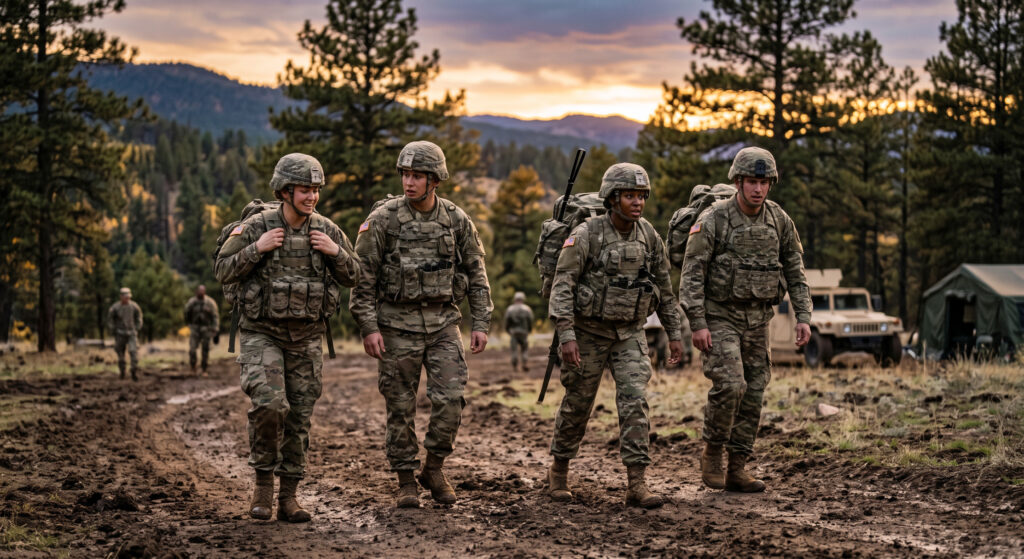
The capacity to recover is a muscle that must be intentionally trained. Every challenge faced is a high-yield opportunity to refine your strategies, strengthen your mindset, and deepen your resilience. Embrace the pressure, learn from the friction, and use it to elevate your leadership capability.
Leaders who adopt this stance stop viewing setbacks solely as costs. They extract the specific lessons—about decision speed, team communication, personal energy management, or strategic assumptions—and deliberately incorporate them. Over time, the same intensity that once depleted them becomes a source of calibrated strength.
Resilience is not a fixed trait. It is a set of practiced capacities that compound. The leaders who treat it as such do more than survive disruption; they convert it into clearer judgment, stronger teams, and more durable performance.